De Witt, Iowa
Basement Mold Removal and Cleanup in De Witt, IA
Basement mold removal in De Witt begins at the moisture source: a foundation crack, a sump pump failure, or spring runoff. The entry point is traced, the growth is removed, and the space is dried to a verified standard.
When you call
What happens when you call De Witt's 24/7 line
Call (844) 352-3560 any hour. The line is answered 24/7 and insurance is accepted.
The process
The basement mold removal and cleanup process in De Witt, IA
Inspect
Foundation walls, the sump pit, and window wells are inspected with moisture meters to trace the water path, not just the visible mold.
Contain
The stairwell is sealed and the basement is placed under negative air pressure with a HEPA air scrubber before work begins.
Remove
Affected drywall, baseboard, carpet pad, and insulation are removed; concrete, block, and sound framing are cleaned and treated.
Dry
Air movers and dehumidifiers run until documented drying goals are met, based on daily moisture readings.
Verify
Original wet spots are rechecked before leaving, as basements can hide slow seepage that only appears later.
Why De Witt homeowners call
Basement Mold Removal done to the IICRC S520 standard in De Witt, IA
Moisture source identification
Every job starts by finding how moisture enters the basement, ensuring the solution lasts through the next thaw.
Care with radon systems
Existing radon mitigation piping and sealed sump lids are worked around without affecting system performance.
Documented process
Photos, daily moisture readings, and a written scope provide documentation for insurance claims related to foundation or plumbing failures.
Insurance coordination
On covered losses, such as a sudden pipe break, the crew coordinates directly with your insurance carrier and adjuster.
When to call
When to book Basement Mold Removal in De Witt
- Efflorescence or dark staining along foundation walls
- A musty smell strongest at the bottom of the stairs
- Soft carpet edges or drywall after spring thaw
- A sump pump that ran constantly or failed during runoff
- A flooded window well with water on the slab
- Spotted, sour boxes stored against the wall
Any one of these is reason enough to call (844) 352-3560, the line is answered 24/7.
Scope of work
What the crew removes and treats in De Witt homes
Drywall and baseboard
Drywall cut two feet above the highest moisture reading
Carpet and pad
Carpet pad discarded; carpet saved only in clean water losses
Bottom plate and studs
Framing cleaned, treated, and dried to a documented reading
Fiberglass batt insulation
Insulation removed from wet stud bays and bagged
Concrete and block
Concrete and block cleaned and treated with antimicrobial
Vapor barrier behind framing
Baseboard removed where it trapped moisture against the wall
Not sure how far the damage runs? Describe it on the phone at (844) 352-3560, the line is answered 24/7.
By location
Basement Mold Removal by city
Basement Mold Removal covers De Witt and the whole Clinton County area. Pick your city for local detail and pricing.
Where the crews work
Basement Mold Removal across De Witt & the Clinton County area
From De Witt out to Grand Mound, Welton, McCausland, and the Clinton County area. The same crews, the same 24/7 line.
What it costs
Mold removal cost in De Witt, IA
Every job is different, so these are the typical Iowa ranges. They are planning numbers, not a quote. Your price depends on how much mold there is, where it is, and what caused it.
A single moldy spot, a closet, or under a sink. The crew seals it off, removes it, and treats the surface.
A bathroom, kitchen, or bedroom with mold on a wall or ceiling, plus the moisture source fixed.
Larger areas that need more containment and drying. Common here after spring thaw or a slow leak.
Mold across several rooms or after major water damage. The work runs in phases, room by room.
The surest way to get a firm number is to call and have the crew walk the space with you. Want a ballpark first? Try the instant mold remediation cost calculator. Filing a claim? Insurance is accepted and the contractor works with your carrier, so read the mold insurance claims guide.
Time and scope
How long Basement Mold Removal takes in De Witt, and what is included
How long the job takes
Finished basements take longer than unfinished ones, as carpet, pad, drywall, and framing must be removed before drying. Dehumidifiers remain until moisture meters confirm drying goals are met.
What is included, what is booked separately
- Stairwell containment with negative air pressure in the basement
- Removal of affected drywall, baseboard, carpet pad, and insulation
- Antimicrobial treatment of framing, concrete, and block
- Dehumidification and air movers until target readings are reached
- Photos, daily moisture readings, and a written scope for insurance
Booked separately: Crawl Space Mold Removal, Mold Clearance Testing, Mold Damage Restoration.
For a firm schedule and a written scope, call (844) 352-3560, the line is answered 24/7.
On the job
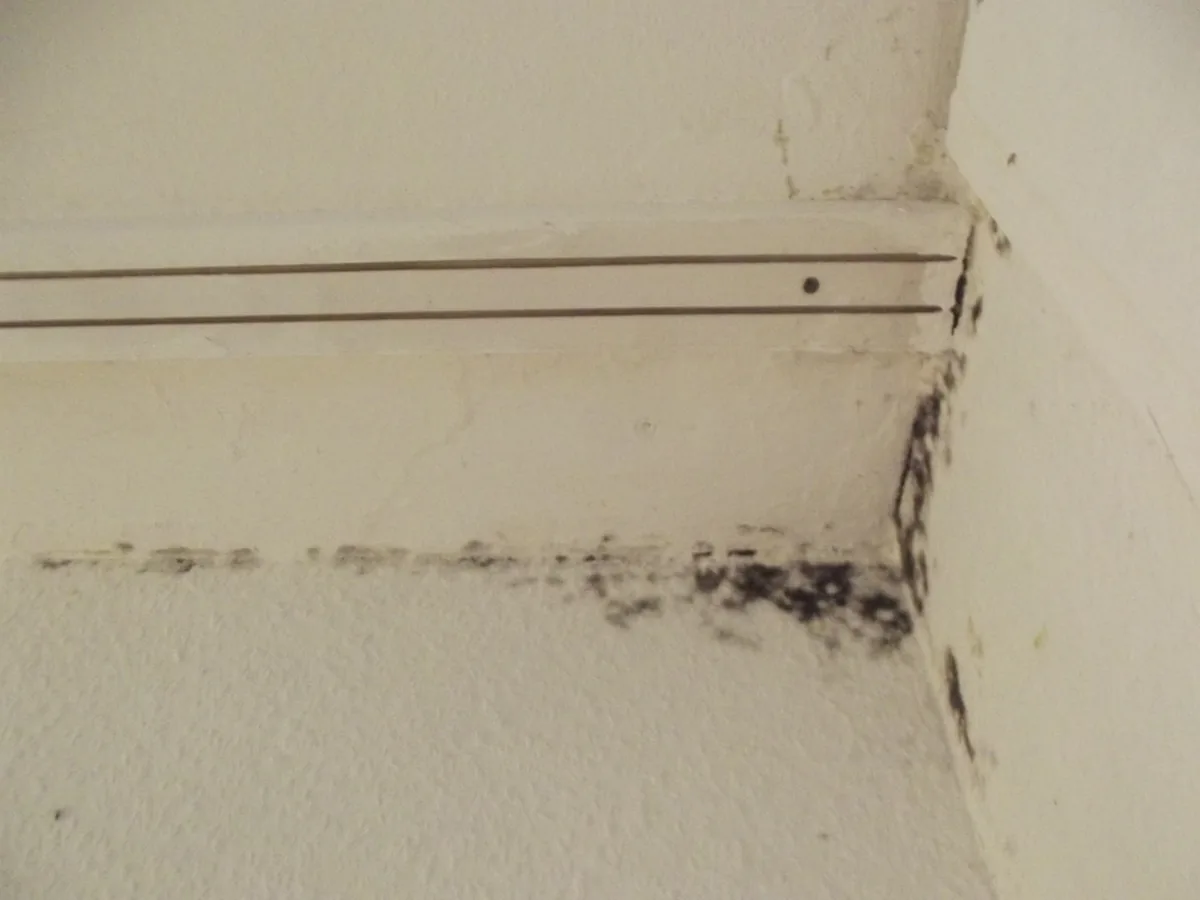
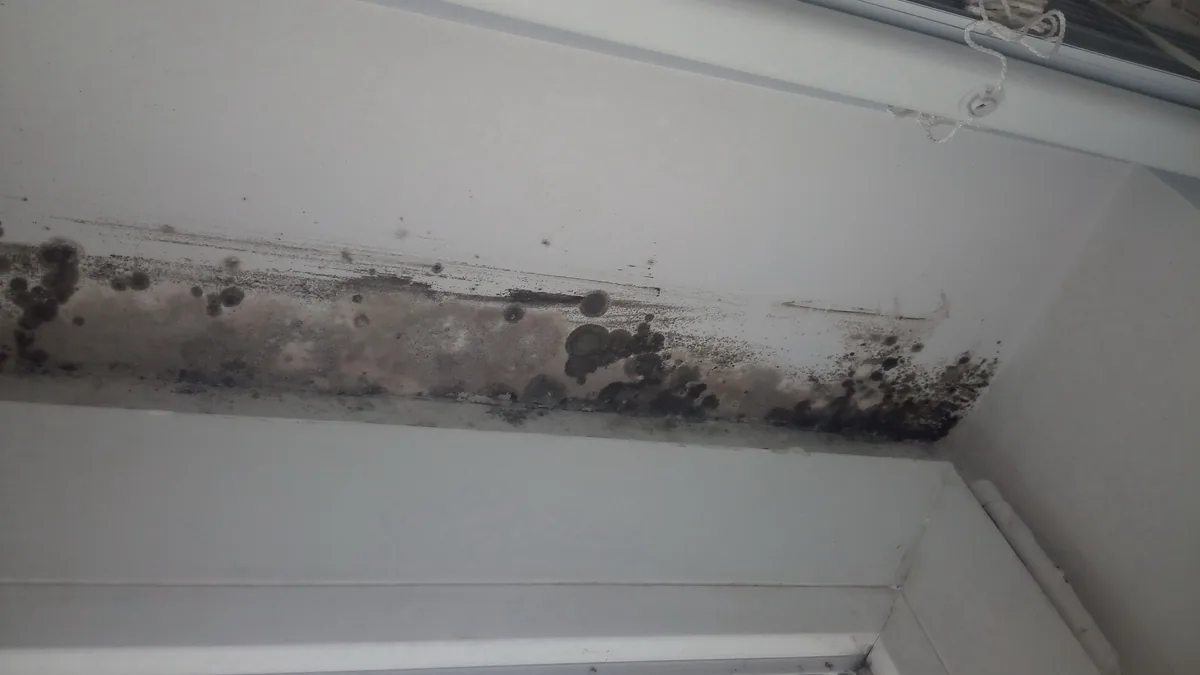
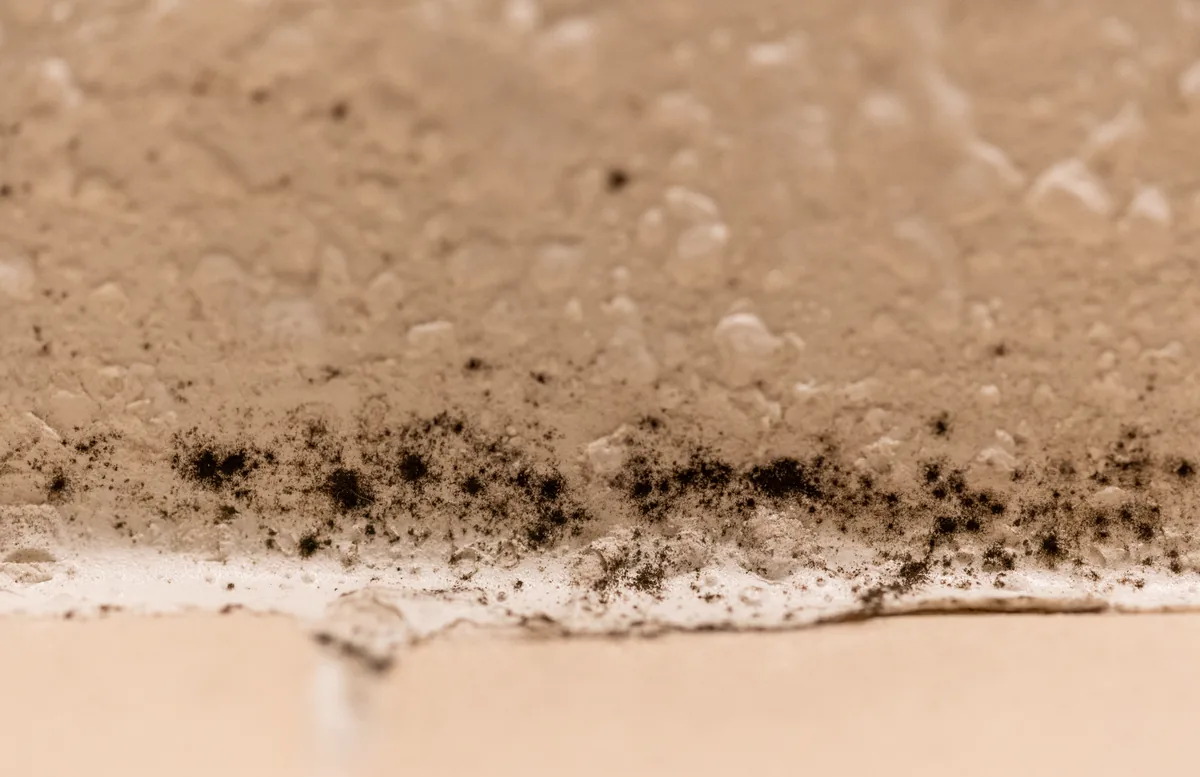
Mold remediation work in De Witt homes
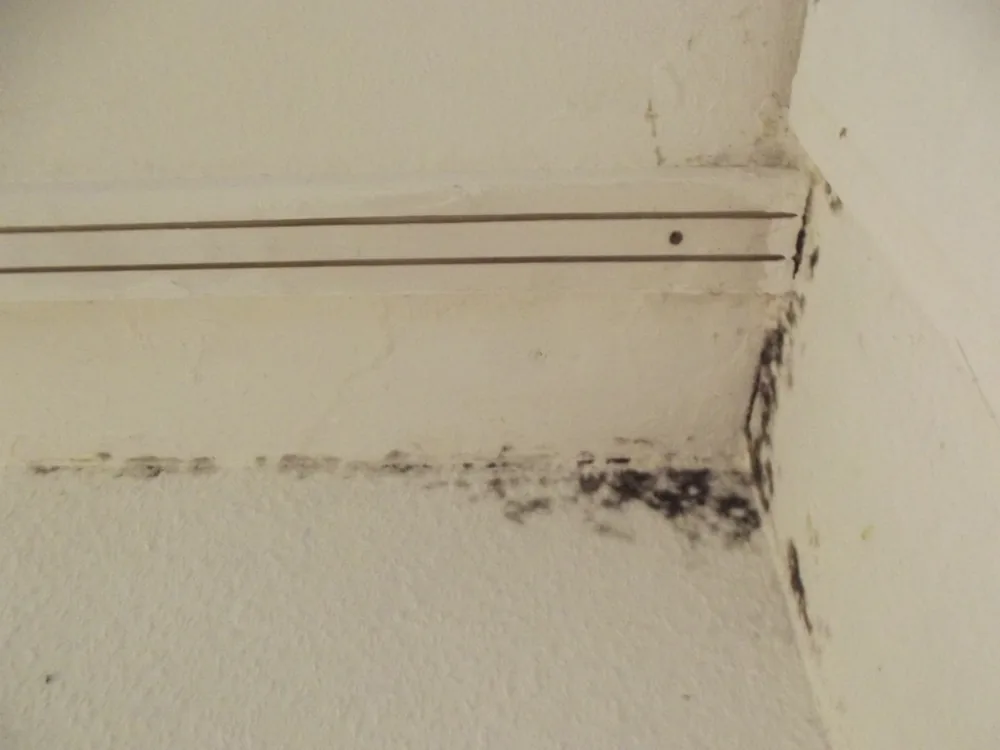

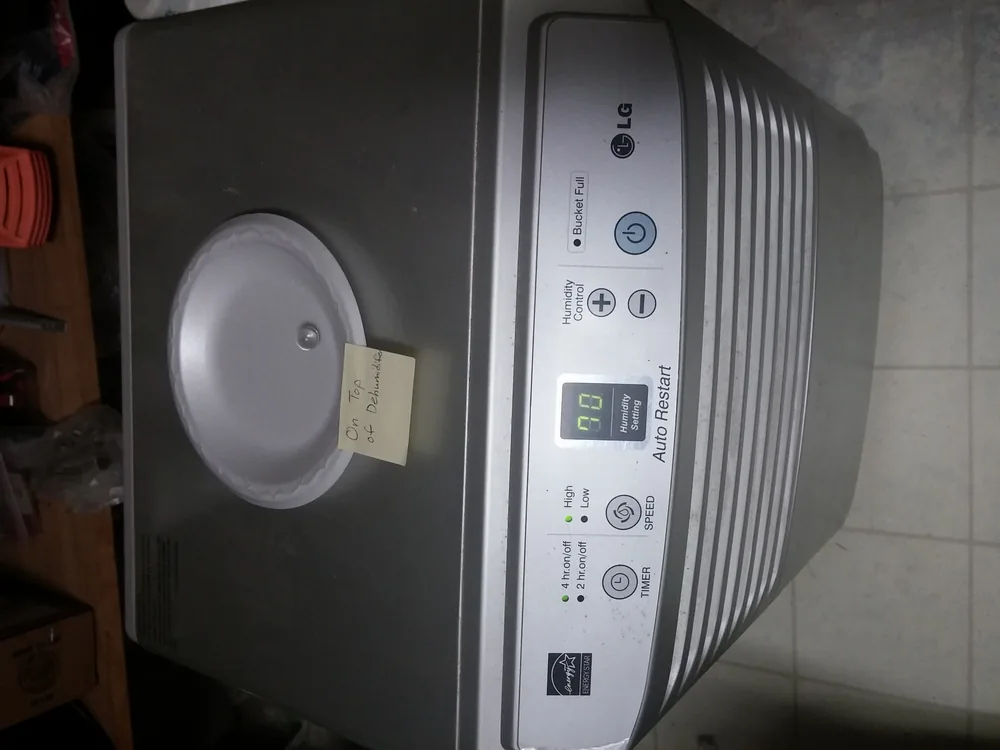
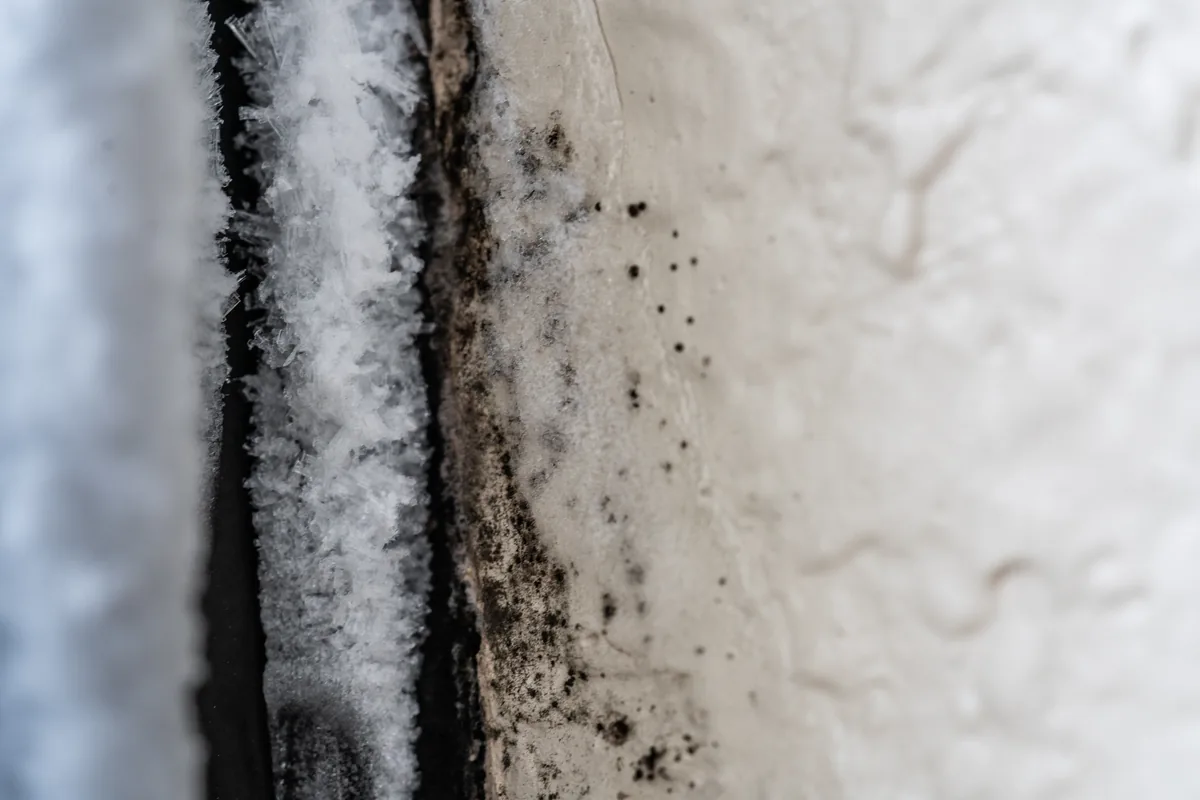
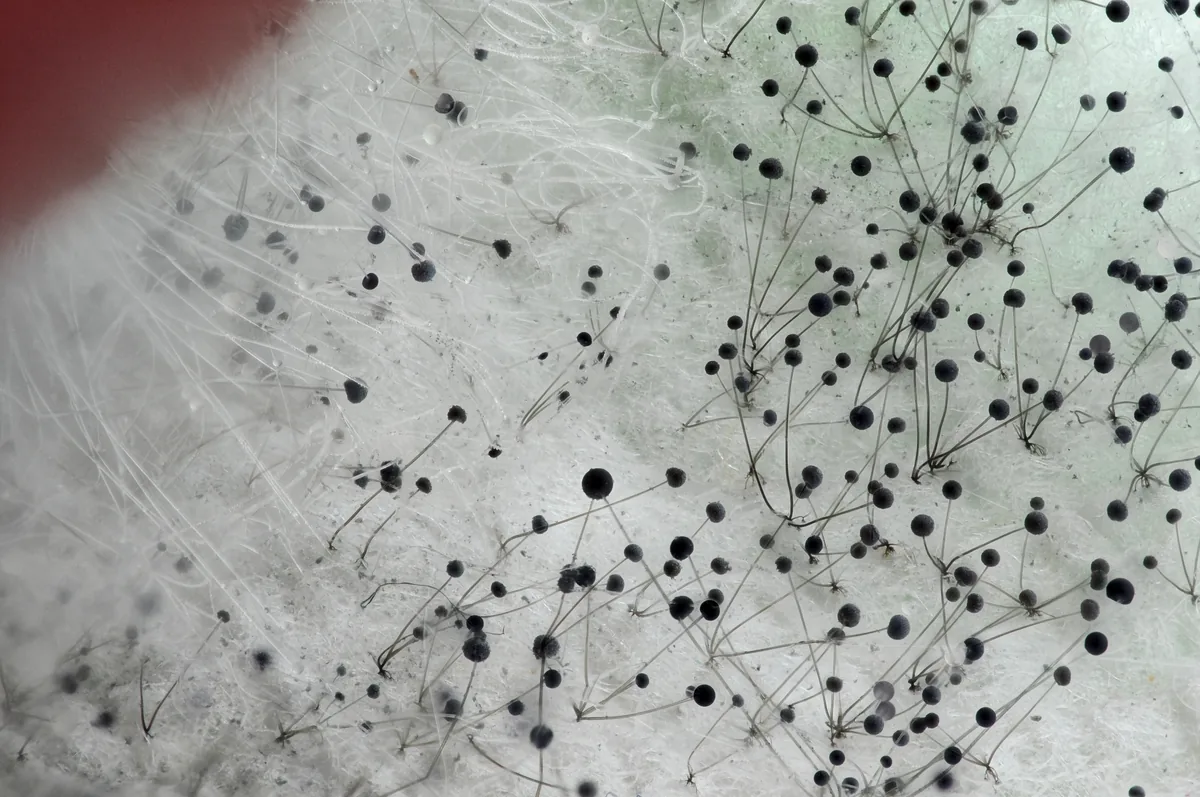
Why De Witt Basements Develop Mold
Basements collect moisture from the house, and in De Witt, that moisture often originates outdoors. Spring thaw and runoff press against foundation walls, especially where grading slopes toward the house.
A hairline crack in a poured wall, a flooded window well, or a failed sump pump are common starting points for basement calls in Clinton County.
Unfinished basements allow for early detection. Finished basements with drywall and carpet can conceal moisture for months before any odor appears.
Call volume increases in March and April as snow melts, and again after summer storms overwhelm drainage systems.
For independent guidance on mold, moisture, and safe cleanup, see EPA: a brief guide to mold, moisture, and your home and EPA: a guide to mold cleanup and moisture control.
Signs in Finished and Unfinished Basements
What homeowners notice first depends on how the basement is finished.
- Unfinished: white or gray staining on concrete, efflorescence, damp patches on the wall
- Finished: musty smell, discolored carpet edges, soft or bubbling drywall near the floor
- Either type: condensation beading on cold water lines or the water heater
- A sump pump cycling far more often than usual after storms or spring thaw
- Rust or staining ringing a floor drain
Tracing the Moisture Source
Removing mold without identifying the water source is a temporary solution. If a foundation crack needs sealing or a sump pump needs replacing, that is noted in the scope.
The job is to remove the growth, dry the structure to a documented standard, and provide a clear picture of the moisture issue for long-term decisions.
Homeowners who have needed remediation multiple times often share that the water source was never identified initially. That conversation happens at the start.
Checking the grading around the home is worthwhile before calling. If soil slopes toward the house, water has a direct path to the foundation.
Working Around Radon Mitigation Systems
Many De Witt basements have radon mitigation systems. Existing piping and fan units are carefully worked around during removal and drying.
Where a basement connects to a crawl space, that area is also inspected, as moisture problems can move between them.
In newer installations, the sump pit may also serve as a radon suction point, so sealing that lid is handled with extra care to avoid disrupting the system.
Cost and Timeline for Finished Basements
Finished basements typically require more removal work than unfinished ones, as carpet, pad, drywall, and framing are between the crew and the foundation.
Not everything is removed. Studs and plates behind drywall can often be saved after cleaning, treating, and drying, with cut lines determined by moisture readings.
The extent of damage often surprises homeowners. Carpet pad can wick moisture far beyond the visible stain on the wall.
After the job
After the job: keeping it from coming back
Extend downspouts away from the foundation and regrade soil to slope away
Run a dehumidifier to maintain basement humidity between 30 and 50 percent
Test the sump pump and float before each spring thaw
Store boxes on shelving, off the slab and away from foundation walls
If it shows up again, or a new leak starts, call (844) 352-3560, the line is answered 24/7.
Good to know
Basement Mold Removal in De Witt, IA: common questions
Is mold in an unfinished basement dangerous?
An unfinished basement is easier to inspect, but mold on concrete, framing, or stored items still requires removal, especially with an active moisture source.
How can I tell if mold is from spring thaw or a pipe leak?
Location is key. Mold along foundation walls or under window wells suggests outdoor moisture; mold near plumbing fixtures points to an indoor leak.
Do finished basements cost more to remediate?
Usually, yes, as drywall, flooring, and framing add to removal and drying time. A final estimate comes after inspection and moisture readings define the full extent.
Can the water problem be fixed, not just the mold?
Sources like foundation cracks or failing sump pumps are identified and documented. The structural repair itself is handled by a separate trade, with the scope detailing what needs addressing.
Will stored items be moved out of the basement?
The immediate work area is cleared during setup. Heavily contaminated porous items like cardboard boxes are often unsalvageable and are identified before disposal.
Related services
More mold services in De Witt, IA
Standards
Standards the work is done to in De Witt
Questions about the scope? Call (844) 352-3560, open 24/7.
Talk to the mold removal team now
Need Basement Mold Removal in De Witt, IA?
Call the 24/7 line and a local crew gets the problem contained fast, then removed the right way, to the IICRC S520 standard. A visit is often set the same day.